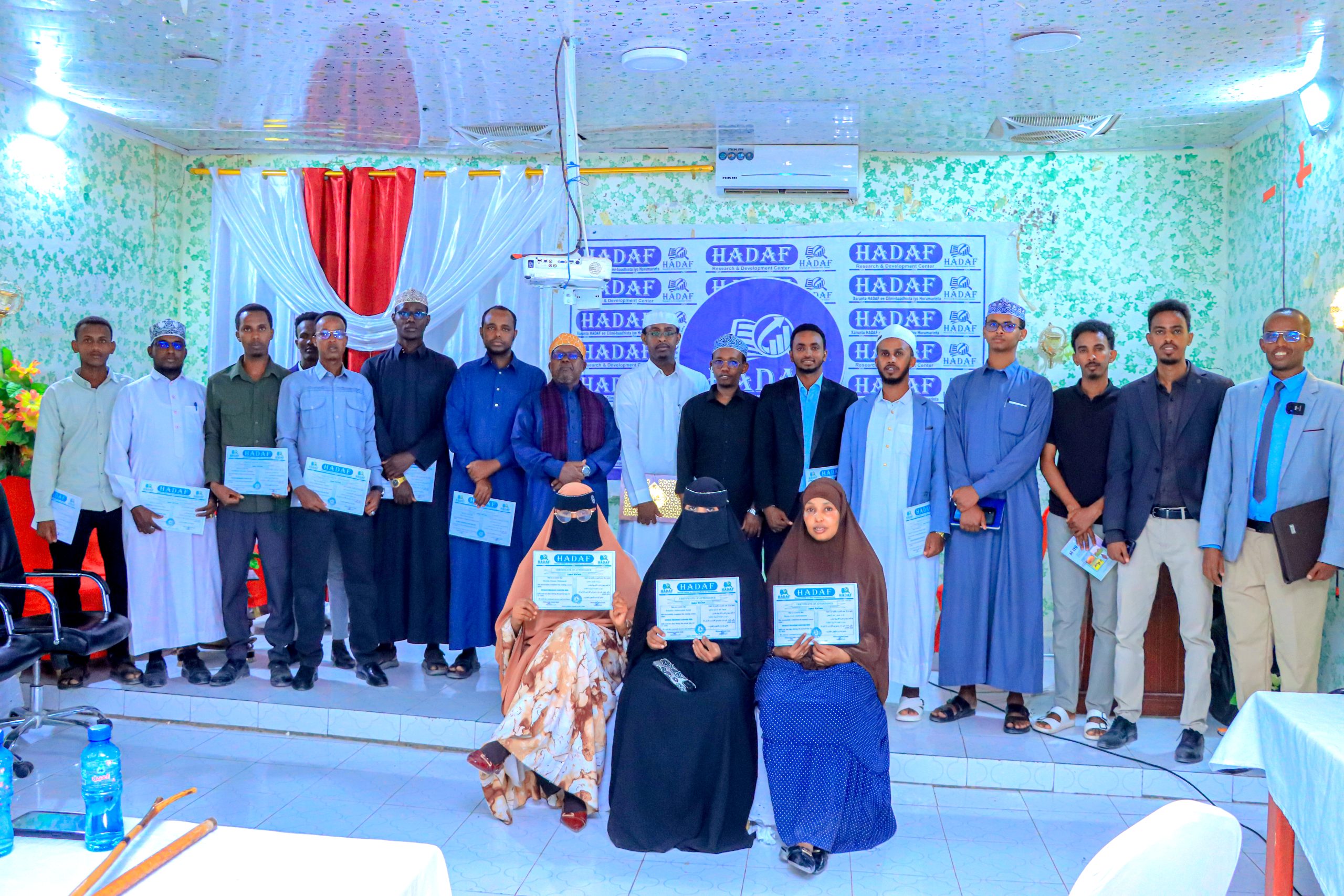
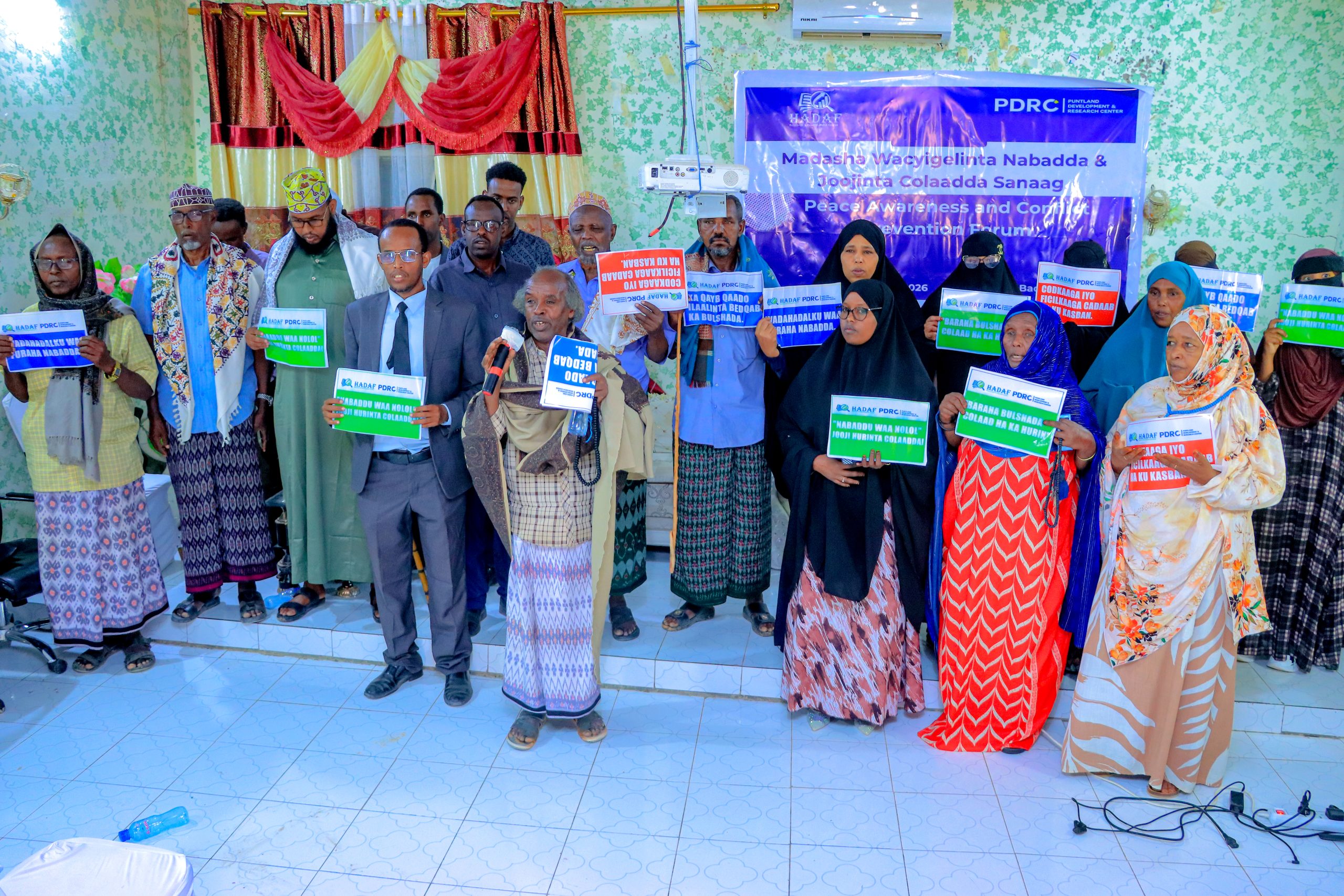
Community Mobilization for Peace, Good Governance, and Sustainable Development in Sanaag Region – 2025
- Background & Introduction
Sanaag region is historically one of the most remote and fragile territories in Somalia, experiencing a critical absence of active state institutions and a continuous deficit in foundational infrastructure development. This is heavily driven by its political classification as a ‘dispute area’, which leaves it marginalized and structurally excluded from major public and international investment frameworks.
Amidst this institutional vacuum, the HADAF has emerged as a frontline pioneer and a powerful advocate for the rights and needs of the local communities. Rooted in the paradigm of ‘Isku-tashiga’ (Collective Self-Reliance), HADAF systematically mobilizes local resources and community capacities to transition populations away from emergency dependency. Through its specialized research arm, HADAF functions as an open civic platform, transforming complex geopolitical and climate vulnerabilities into community-led development pathways.
- Strategic Objectives & Future Outlook
- Fostering Community Dialogue: Design and expand structural grassroots channels that foster direct community-level dialogue to effectively surface local priorities and acute development needs across all remote regions in Sanaag.
- Local Governance & Peacebuilding: Strengthen inclusive local governance and build sustainable communal peace by empowering grassroots initiatives to proactively de-escalate resource-driven instabilities.
- Providing CSO Consultation Platforms: Develop and maintain institutionalized platforms for civil society organization (CSO) consultations, driving unified socio-political advocacy matrices for marginalized borderlands.
- Building Community-Government Trust: Formulate targeted public interventions that explicitly build trust and bridge operational gaps between the grassroots community and government administrations.
- Comprehensive Civic & Constitutional Education: Deliver advanced civic education targeting human rights, constitutional definitions, values of democracy, and methodologies of government accountability.
- Youth & Women Political Empowerment: Accelerate leadership development programs for youth and women networks to structurally anchor their constitutional rights to vote, campaign, and occupy local decision-making slots.
- Timeline & Program Periodicity
HADAF’s civic engagement programs are deeply institutionalized, operating systematically and continuously from 2019 up to the current 2024 strategic cycle. The intervention architecture is designed with high structural flexibility to dynamically respond to shifting field conditions:
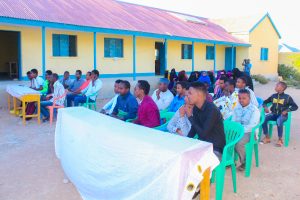
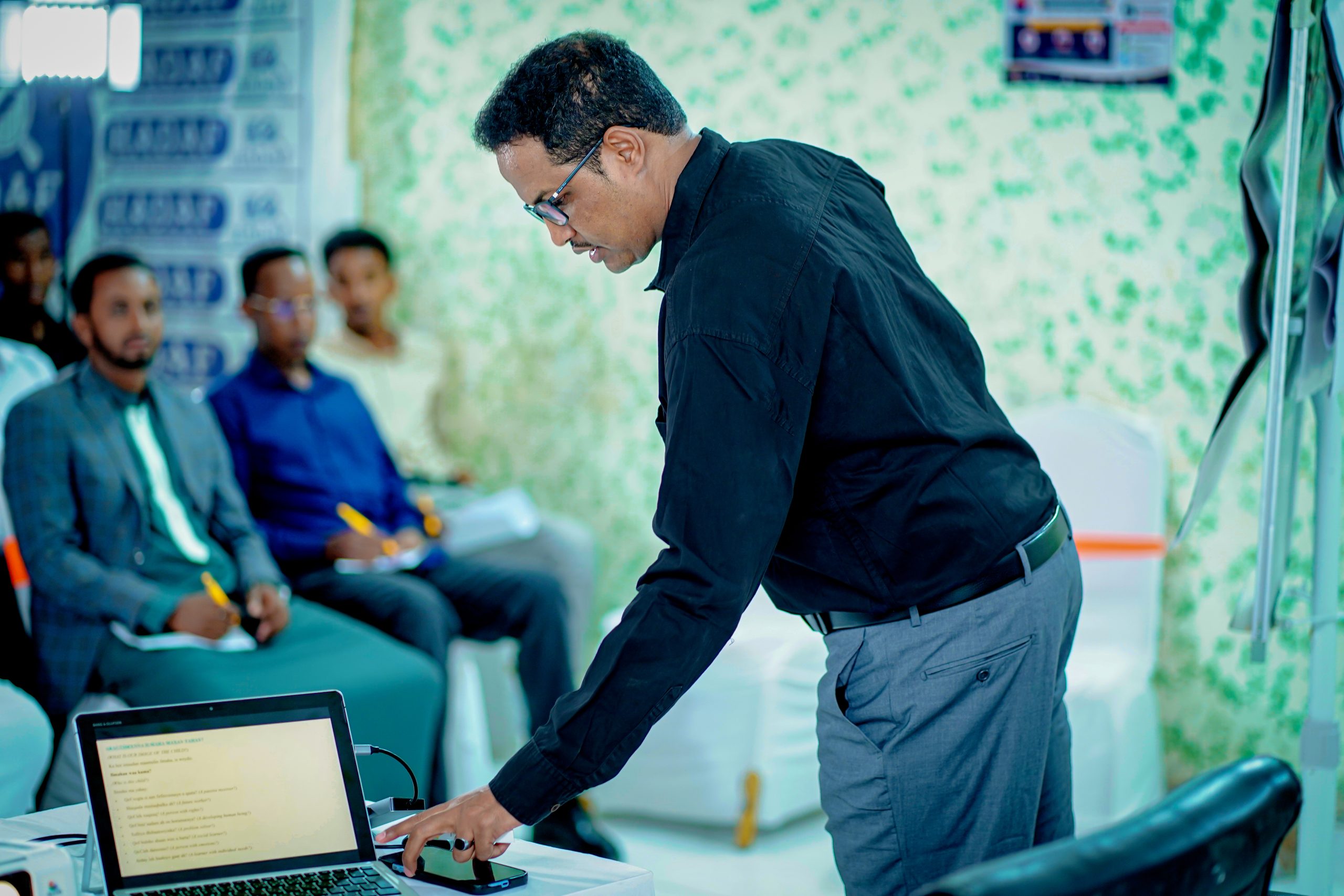
- Weekly Activities: Intensive focus groups, capacity-building seminars, and legal literacy workshops empowering youth and women to articulate their socio-political rights.
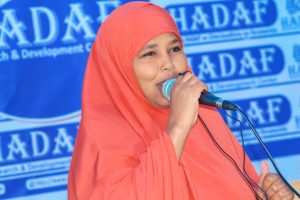
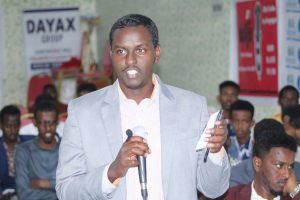
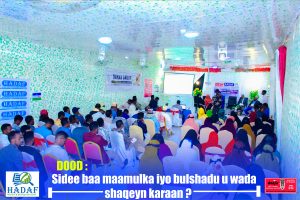
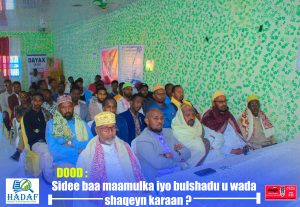
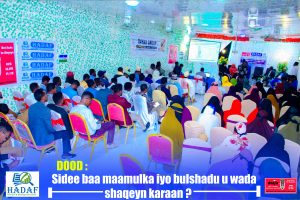
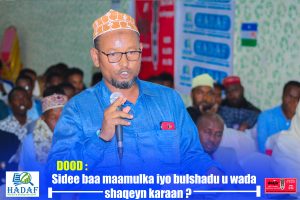
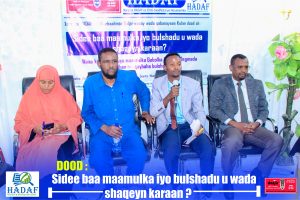
- Monthly Forums: High-level policy roundtables organized by ‘Madasha HADAF’, convening intellectuals, specialists, and local administrators to address critical governance and resource reforms.
- Seasonal & Adaptive Forums: High-impact community forums deployed fluidly based on emerging realities, such as electoral cycles, security challenges, or climate shocks like severe droughts.
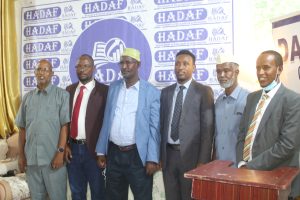
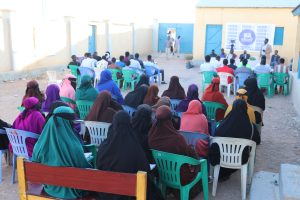
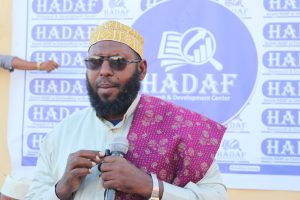
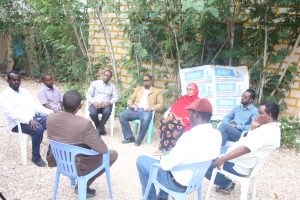
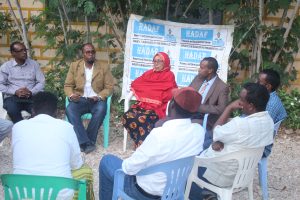
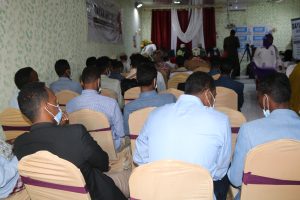
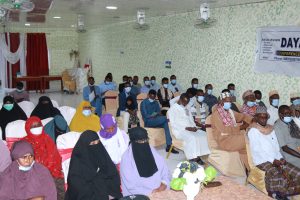
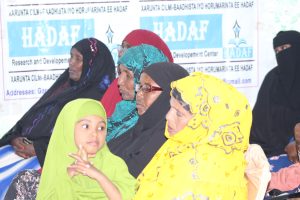
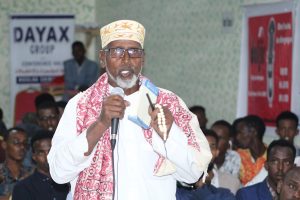
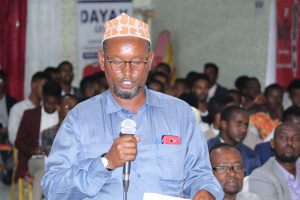
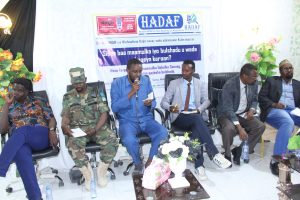
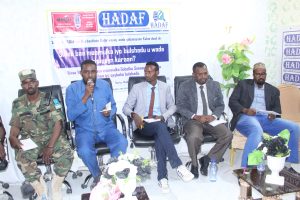
- Grassroots Governance, Direct Elections & Accountability
HADAF firmly believes that sustainable development is fundamentally predicated on grassroots empowerment. Its strategic civic initiatives focus directly on:
- Supporting Direct Elections: Deploying robust civic awareness campaigns during the direct local government elections in Puntland (May, 2023), equipping citizens with structural voter education to confidently exercise their democratic rights.
- Enforcing Public Accountability: Creating unmediated public spaces where ordinary citizens directly present their core service needs and structural regional deficits to visiting ministers and federal authorities, fostering real-time transparency.
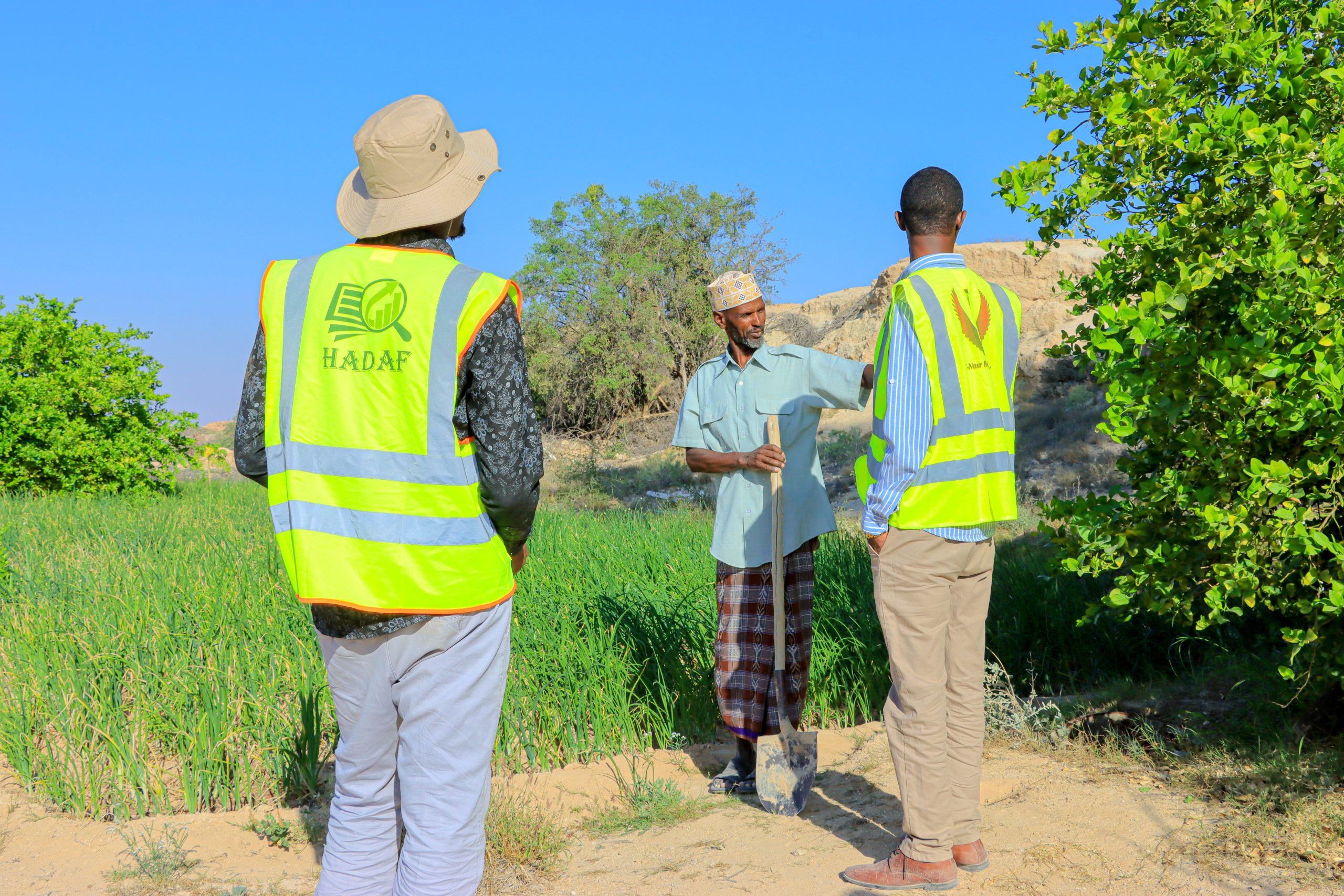
- Grassroots Civic Oversight: Capacity-building local civil society networks to actively monitor local council performance, successfully bridging the governance gap between the grassroots populace and the executive leadership.
- Alignment with the National Transformation Plan (NTP 2025–2029)
HADAF’s local stabilization and governance models are fully aligned with the strategic matrix of the Somalia National Transformation Plan (Qorshaha Isbedelka Qaranka – NTP 2025–2029), driving progress across key national pillars:
- Building Resilient Local Governance: Enhancing downward accountability, institutional transparency, and robust civil-military-civilian dialogue frameworks at the district level.
- Social & Political Inclusion: Accessing structured entry points for youth networks and women’s organizations to organically integrate into national development discourses and local governance architectures.
- Sustainable Self-Reliance Paradigm: Successfully transitioning marginalized pastoralist and remote demographics into self-reliant economic actors, advancing the core national objective of self-sustaining economic transformation.
- Key Activities
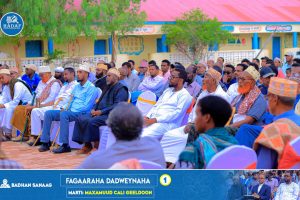
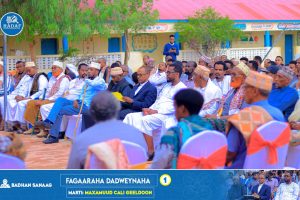
- Executing ‘Madasha HADAF’ Policy Forums: Convening systematic, multi-stakeholder policy dialogues addressing environmental, educational, and governance challenges.
- Conducting Community Dialogues: Facilitating multi-layered interface dialogues between citizens and state actors to mitigate resource-driven conflicts.
- Mobilizing Local & Diaspora Resources: Formulating joint diaspora-community committees to transparently pool alternative funding for critical public assets.


- Key Stakeholders & Partners
HADAF’s forums maintain complete inclusivity, consistently engaging a wide spectrum of actors:
- Local Government Authorities: Badhan (Baran) District Administration and regional line councils providing crucial administrative and operational backing.
- Executive & Government Leadership: Visiting Ministers and senior state officials engaging in direct public cross-examinations and transparency sessions.
- Civic Youth & Women Organizations: Local youth networks and women’s rights groups driving grassroots implementation and advocacy tracking.
- Intellectuals & Academic Networks: Academic elites and intellectuals in Badhan and surrounding cities leading the analytical framework for regional policy reform.
- Key Outcomes
- 43+ High-Level Forums Convened: Successfully executed over 43 high-level monthly public forums, directly generating data-driven policy recommendations.
- Community-Funded Security Infrastructure: Fully constructed the Sanaag Central Prison and advanced local justice reforms via pure community-diaspora co-funding, cementing local safety.
- Amplified Civic Participation: Achieved an exponential increase in civic literacy and active political engagement among youth and women demographics across Sanaag.
- Resolving Critical Service Deficits: Catalyzed substantial private sector investment to completely and permanently resolve the long-standing water crisis in Badhan City.
- Future Outlook & Recommendations
- Unlocking Youth & Women Leadership: Expand targeted leadership programs and political literacy tooling for women and youth to maximize their active role in upcoming municipal voting and local council seats.
- Formalizing ‘Isku-tashiga’ Frameworks: Formally structure joint community-elder-diaspora infrastructure councils to replicate the successful prison model across rural healthcare clinics and feeder roads.
- Broadening Research & Policy Dissemination: Scale data analytics and field polling capacities at the HADAF Center to systematically publish actionable research tracking climate-smart adaptation and economic fragility.